Will Huawei catch up to Nvidia by 2030?
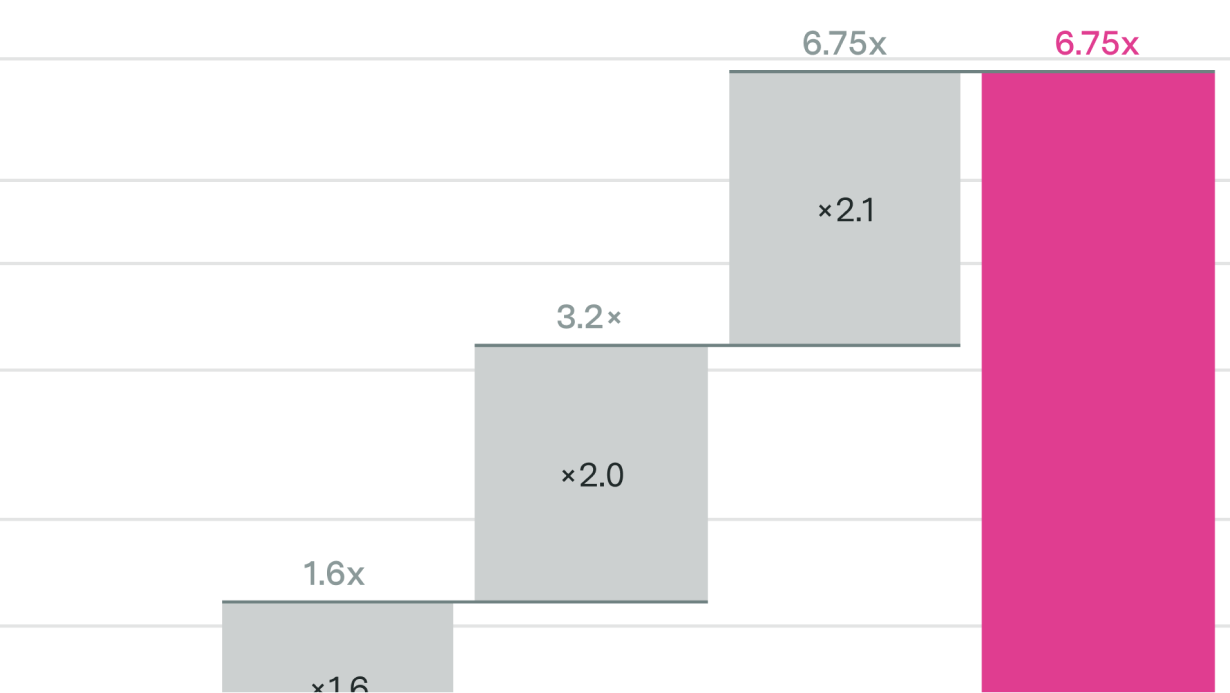
Summary
Epoch models Huawei’s accelerator output using chip roadmaps and estimates of high-bandwidth memory supply. The scenarios identify memory as a near-term production constraint, with performance per chip becoming more important as domestic memory production expands. Better chip designs alone need not close the compute gap with Nvidia.
Why it matters
The analysis connects AI industrial competition to supply-chain bottlenecks and complementary inputs. It illustrates why access to advanced designs may not translate into comparable production capacity.
What to keep in mind
These are conditional model scenarios, not observations of future production. Results depend on memory supply, allocation, yields, imports and vendor roadmaps. System design and software affect workload-specific performance, and Huawei does not represent the entire Chinese accelerator industry.